


You wake up with an eye that feels gritty, red, or just wrong. You’d rather not wait weeks for a specialist, and your optometrist is ten minutes away. So the practical question is: can my optometrist prescribe eye drops, or will I be sent somewhere else first?
In most cases, yes, you can be treated right there. But the details depend on where you live, what’s wrong with your eye, and what kind of medication you need.
The Short Answer
In the United States, optometrists are licensed to diagnose eye conditions and prescribe topical medications, which includes most prescription eye drops. Every state allows this, though the exact list of drugs differs by state. In other countries the rules vary. In the UK, for example, an optometrist generally needs extra “independent prescriber” training to prescribe beyond a limited list. In parts of Canada and Australia, scope also differs by region.
So an optometrist can prescribe eye drops in many places, but check your local rules or simply ask the clinic when you book.
What Kinds of Drops Can an Optometrist Prescribe?
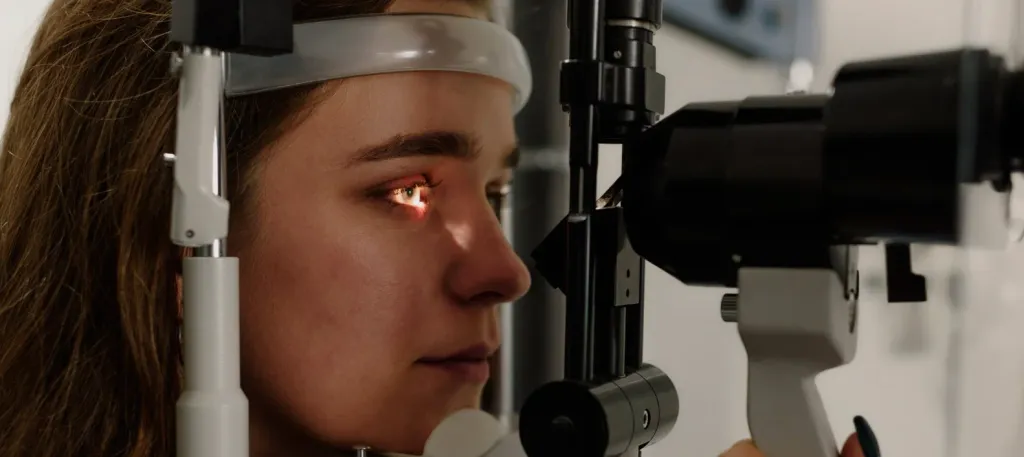
When people ask whether an optometrist can prescribe eye drops, they usually have one of these situations in mind:
- Eye infections. Bacterial conjunctivitis, styes, and blepharitis often respond to antibiotic drops or ointments. Viral pink eye usually doesn’t, which is why a proper exam matters. The CDC’s overview of conjunctivitis explains why antibiotics aren’t always the answer.
- Allergic eye symptoms. Itching and swelling from pollen or pet dander can be treated with prescription antihistamine or mast-cell stabilizer drops.
- Dry eye disease. Beyond over-the-counter artificial tears, an optometrist can prescribe anti-inflammatory drops and other treatments when lubricants aren’t enough. The American Optometric Association’s dry eye guidance and the National Eye Institute both describe how it’s diagnosed and managed.
- Glaucoma. Many optometrists manage glaucoma day to day, prescribing pressure-lowering drops and monitoring your optic nerve over time. The NEI’s glaucoma page is a good plain-language primer.
- Inflammation and minor injuries. Some optometrists treat uveitis or corneal abrasions with steroid or antibiotic drops, depending on local regulations.
Optometrist or Ophthalmologist: Who Do You Need?
An optometrist is a primary eye care provider. An ophthalmologist is a medical doctor who also performs eye surgery. The American Academy of Ophthalmology explains the differences in training and roles.
For routine problems, an optometrist is often the faster, simpler first stop. Optometrists also refer patients onward when something is beyond their scope, such as complex retinal disease, advanced glaucoma needing surgery, or cataracts. A good optometrist will say so plainly. It means the system is working.
Why You Shouldn’t Just Reuse Old Drops
It’s tempting to grab the half-used bottle from last year’s eye problem. Please don’t.
- Opened drops can grow bacteria and may be contaminated.
- A medication that helped one condition can make another worse. Steroid drops, for instance, can worsen certain infections and raise eye pressure in some people.
- Redness is a symptom, not a diagnosis. Allergy, infection, dryness, and inflammation can all look similar, and they need different treatments.
If an optometrist can prescribe eye drops after a quick exam, that exam is worth the visit. It’s cheaper than treating a problem that got worse.
Signs You Shouldn’t Wait for an Appointment

Some symptoms need same-day care at an urgent eye clinic or emergency room:
- Sudden vision loss or a curtain-like shadow
- Severe eye pain, especially with nausea or halos around lights
- A chemical splash or a foreign object that won’t come out
- Light sensitivity with a red eye, particularly if you wear contact lenses
- A newborn with a red, swollen, or discharging eye
Contact lens wearers should be especially careful. Contact lens-related infections can progress fast, and delay can threaten vision.
How to Get the Most Out of Your Visit
A little preparation helps your optometrist choose the right drop.
- Describe the timeline. When did it start? Is one eye or both affected? Is there discharge, itching, or pain?
- Bring your medication list. Include allergies and anything you take for blood pressure, anxiety, or allergies, since some medications dry out the eyes.
- Mention your contacts and screen habits. Long hours on screens and overnight lens wear both matter.
- Ask how to use the drops. Wash your hands, avoid touching the bottle tip to your eye, and wait about five minutes between different drops. Ask whether to remove contacts first.
- Ask what to expect. How soon should it improve, and when should you call back?
Using Prescription Drops Safely
- Finish the full course if it’s an antibiotic, unless you’re told otherwise.
- Don’t share drops with family members, even if the symptoms look identical.
- Note the date you opened the bottle and follow the discard instructions.
- Report stinging that doesn’t settle, swelling, or worsening redness.
- Don’t stop long-term drops, such as glaucoma medication, without talking to your provider. Glaucoma damage is often silent and can’t be reversed.
Questions Worth Asking
Will I need a separate visit just to get the prescription?
Often not. If the exam shows drops are appropriate, they’re usually prescribed the same day.
What if the drops don’t work?
Call back. A good clinic wants to hear this and may adjust treatment or refer you.
Can I use over-the-counter drops instead?
Sometimes, for mild dryness or occasional irritation. But if symptoms last more than a few days or come back often, get checked.
Summary
For many everyday eye problems, the answer to “can my optometrist prescribe eye drops?” is a reassuring yes, and it spares you a longer detour through the healthcare system. Scope of practice varies by location, and serious or surgical conditions will need an ophthalmologist, but starting with your optometrist is usually a smart move.
If your eye hurts, your vision changes, or something just feels off, don’t wait it out. Call and describe your symptoms. A short exam can often get you the right drop, and the relief that comes with it.
This article is for general information and isn’t a substitute for professional medical advice. If you’re unsure whether your symptoms are urgent, contact an eye care professional promptly.