
My Eye Doctor
Advanced Eye Care and Eyewear. Better Together.
My Eye Doctor empowers you to see your best. We combine comprehensive clinical eye care from trusted local optometrists with an expansive selection of popular glasses and contact lenses tailored for every budget, lifestyle, and major insurance plan.
- All major vision insurance plans accepted and claims filed for you
- Advanced diagnostic technology and digital retinal imaging at every visit
- Comprehensive eye care and designer eyewear for patients of all ages

Browse Eye Doctors By Specialty
Every eye problem has a specialist trained for it. Choose a specialty to see doctors, office locations, accepted insurance and open appointment times.
Showing 14 specialties

Cataract And Refractive Surgery
Cataract removal, lens implants and laser vision correction such as LASIK.View doctors
Cornea And External Disease
Corneal infections, scarring, keratoconus and corneal transplants.View doctors
Dry Eye And Ocular Surface
Ongoing dryness, burning, grittiness and surface inflammation.View doctors
Glaucoma
Eye pressure checks, treatment and surgery to protect the optic nerve.View doctors
Medical Retina And Macular Degeneration
Macular degeneration, diabetic eye disease and retinal vein problems.View doctors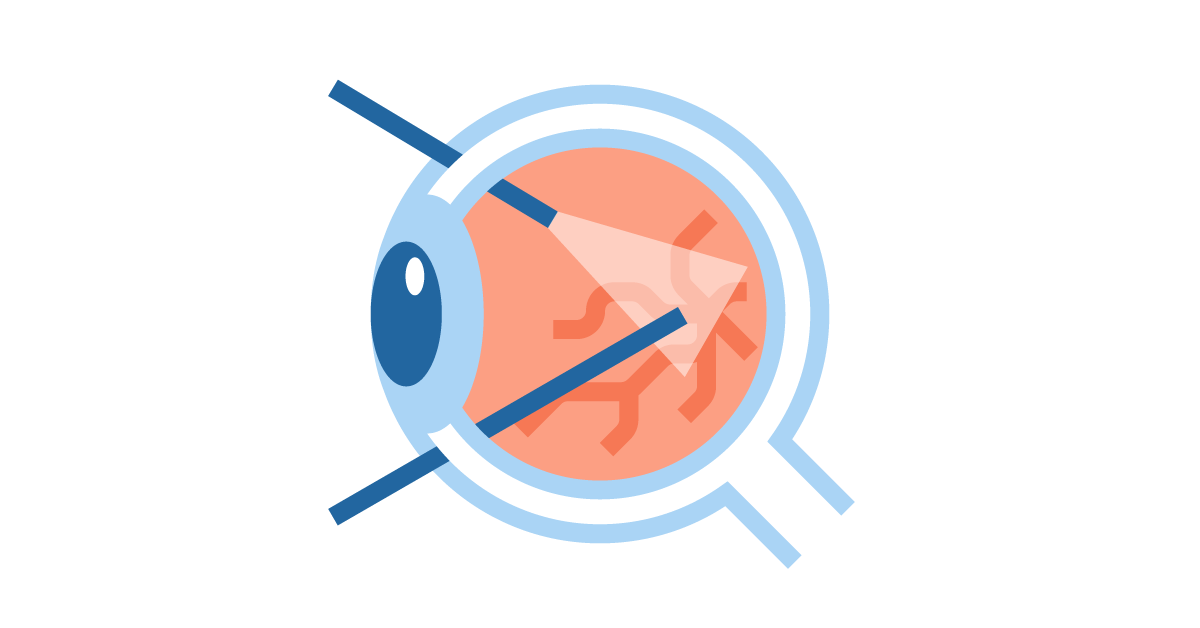
Vitreoretinal Surgery
Retinal detachment, macular holes and surgery inside the eye.View doctors
Uveitis And Ocular Inflammation
Inflammation inside the eye, often linked to immune conditions.View doctors
Neuro-Ophthalmology
Vision problems linked to the brain and optic nerve, including double vision.View doctors
Oculoplastic, Orbital And Lacrimal Surgery
Eyelids, tear ducts and the eye socket.View doctors
Pediatric Ophthalmology And Strabismus
Children's eye care, lazy eye and misaligned eyes.View doctors
Pediatric Retina
Retinal conditions in babies and children.View doctors
Ocular Oncology
Diagnosis and treatment of tumors in and around the eye.View doctors
Ocular Genetics And Inherited Retinal Disease
Genetic eye conditions such as retinitis pigmentosa.View doctors
Optometry
Eye exams, glasses and contact lens prescriptions, and early disease checks.View doctors
Not Sure Which Specialist You Need?
Start with a full eye exam. An optometrist or general ophthalmologist can find the cause of most eye problems and refer you to the right subspecialist. If you already have a diagnosis, such as glaucoma or cataracts, go straight to that specialty.
Find an optometristSearch all eye doctors
Sudden vision loss, a curtain across your vision or an eye injury needs emergency care. Call your local emergency number straight away.
How We Organize These Specialties
Our categories are based on the subspecialty areas used in ophthalmology training, such as those set out by the American Academy of Ophthalmology and The Royal College of Ophthalmologists.
Each doctor appears under the specialties on their profile, along with the education, board certifications and hospital affiliations we have on file, so you can compare training before you book.
These descriptions are general information, not medical advice. Last updated .
What Is Bothering Your Eyes?
Not sure which specialist you need? Start with what you're noticing and we'll point you to the right doctors.
Blurry Or Cloudy Vision
Glare at night or faded colors can be a cataract.Who to seeCataract And Refractive SurgeryFloaters Or Flashes Of Light
New floaters or flashes need a prompt retina check.Who to seeVitreoretinal SurgeryDry, Gritty Or Burning Eyes
Long-lasting dryness can be treated, not just managed.Who to seeDry Eye And Ocular SurfaceWavy Or Blurred Central Vision
Straight lines looking bent can be an early sign of macular degeneration.Who to seeMedical RetinaFamily History Of Glaucoma
Glaucoma often has no early symptoms, so regular pressure checks matter.Who to seeGlaucomaDroopy Eyelids Or Watery Eyes
Eyelid and tear duct problems have their own specialists.Who to seeOculoplastic SurgeryA Child's Eye Turning In Or Out
Early treatment gives the best results for lazy eye and squint.Who to seePediatric OphthalmologyDiabetes Eye Check
People with diabetes need a dilated eye exam at least once a year.Who to seeMedical RetinaRoutine Eye Exam Or New Glasses
Start with a full eye exam and an up-to-date prescription.Who to seeOptometry
This guide helps you choose the right type of eye doctor. It is not a diagnosis, and your doctor may refer you to a different specialist after an exam. Last updated .
Search all eye doctors
Ophthalmologist, Optometrist Or Optician: Who Should You See?
All three look after your eyes, but their training and what they're allowed to do are very different. Use this My Eye Doctor guide to pick what you need, or compare them side by side below.
What Do You Need Help With?
Choose an option and we'll show you who to book.
-
Best match for you
Medical doctor
Ophthalmologist
A medical doctor who specializes in eyes. Ophthalmologists diagnose and treat eye disease, prescribe medicine and perform eye surgery.
- See one for
- Cataracts, glaucoma, retina problems, eye injuries or surgery.
- Training
- Medical school, then several years of specialist training in eye disease and eye surgery.
-
Best match for you
Eye care professional
Optometrist
An eye care professional who examines eyes, tests vision and prescribes glasses and contact lenses. Optometrists spot early signs of eye disease and refer you to a specialist when needed.
- See one for
- Routine exams, new glasses or contacts, or a first check of a new symptom.
- Training
- A university degree in optometry. In the US this is a Doctor of Optometry (OD), which is not a medical degree.
In the UK, optometrists are sometimes called ophthalmic opticians.
-
Best match for you
Glasses and lens specialist
Optician
Fits and adjusts glasses and contact lenses using a prescription from an optometrist or ophthalmologist. Opticians don't examine eyes or diagnose conditions.
- See one for
- Choosing frames and lenses, fitting new glasses, and adjustments or repairs.
- Training
- A certificate, diploma or apprenticeship in fitting eyewear. Licensing and registration rules vary by country.
Many optometry practices have an optician on site, so you can often get your eye exam and new glasses in one visit.
What Each One Can Do
A quick side-by-side comparison from My Eye Doctor, so you can book the right professional the first time.
- Yes
- Some, by country and training
- No
* In a few US states, optometrists can also perform some laser eye procedures.
What each professional can do depends on local laws and their own training, so check with the practice if you're unsure. Learn more from the American Academy of Ophthalmology, the American Optometric Association and The College of Optometrists. This guide is general information, not medical advice.
Eye Doctors Accepting New Patients
A few of the specialists with open appointment times coming up.
Find A Doctor Who Can See You Soon
Browse eye doctors on My Eye Doctor who are accepting new patients, compare their open times and request an appointment online.
My Eye DoctorOpen times update live from each doctor's booking calendar
Browse by specialtyHow we choose featured doctors. The My Eye Doctor team features doctors who are accepting new patients and offer online booking. Being featured is not a ranking or a medical recommendation, so compare profiles and choose the doctor who suits you. Times are shown in each doctor's local time zone.
Accepting new patients
How Requesting An Appointment Works
Booking an eye appointment through My Eye Doctor is free and only takes a few minutes. Here's exactly what happens, from your first search to a confirmed visit.
- Free for patients
- No account needed
- Times in the doctor's local time zone

-
Step 1
Search And Compare
Filter by specialty, location, insurance and availability, including doctors accepting new patients and video visits. Every profile shows training, experience, office locations, accepted plans and languages spoken.
- Search by a condition, such as glaucoma, or by a doctor's name.
- Sort results by years of experience or patient rating.
- Check education, board certifications and hospital affiliations before you choose.
-
Step 2
Choose A Time
Pick an open time on the doctor's calendar and send a short request with your contact details. It's free, and you don't need an account.
- Tell the office your reason for visit, your insurance and whether you're a new or existing patient.
- Choose an in-person or video visit when the doctor offers both.
- Once you send your request, that time is no longer offered to other patients.
-
Step 3
Get Confirmation
The office reviews your request and confirms by email or phone. A copy of your request arrives in your inbox straight away.
- Your email includes the office address and phone number, so you can reach them directly.
- You'll get another email when the office confirms or cancels your appointment.
- Need a different time? Call the office using the number in your email.
What To Have Ready
- Your insurance details, or choose to pay for yourself when you book.
- Your current glasses and contact lenses, or your latest prescription.
- A list of the medicines you take, including any eye drops.
- Sunglasses, and someone to drive you home if your eyes may be dilated, as vision can stay blurry for a few hours.
- Any referral letter or earlier eye test results.
Your Privacy And Safety
- We only ask for the details the office needs to contact you about your appointment.
- Your request goes to the doctor's office and the My Eye Doctor team so it can be arranged and confirmed.
- Please keep sensitive medical details out of the booking note. You can talk them through with your doctor at the visit.
- Online booking is not for emergencies. For sudden vision loss or an eye injury, call your local emergency number straight away.
My Eye DoctorFree for patients, with no account needed
Each office sets its own hours, fees and cancellation policy. My Eye Doctor is a directory and does not provide medical care or advice. Last updated .
Browse Eye Doctors By Insurance Plan
Choose the plan you have to find eye doctors on My Eye Doctor who accept it. We list 151 plans across the United States, United Kingdom and Switzerland.
Our Top Supperter Plans
 VSP
VSP EyeMed
 Davis Vision
 Spectera
 Medicare
 Blue Cross Blue Shield
 UnitedHealthcare
 Aetna
Aetna Cigna
Cigna Humana
My Eye DoctorFind eye doctors by insurance plan
Insurance networks change, so confirm coverage with your insurer before your visit.

Lifestyle Correlates of Dietary Patterns Among Young Adults
Beets are quite possibly the most nutritious root vegetable accessible, pressing a lot of fiber, folate, and manganese into each…


Gym Fitness and Workout Equipment and Modern Fight
Beets are quite possibly the most nutritious root vegetable accessible, pressing a lot of fiber,…

5 Underrated, Nutritious Root Vegetables to Add to Your Diet
Beets are quite possibly the most nutritious root vegetable accessible, pressing a lot of fiber,…



Insight on Current Advances in Food Science and Technology
Beets are quite possibly the most nutritious root vegetable accessible, pressing a lot of fiber, folate, and manganese into each…