

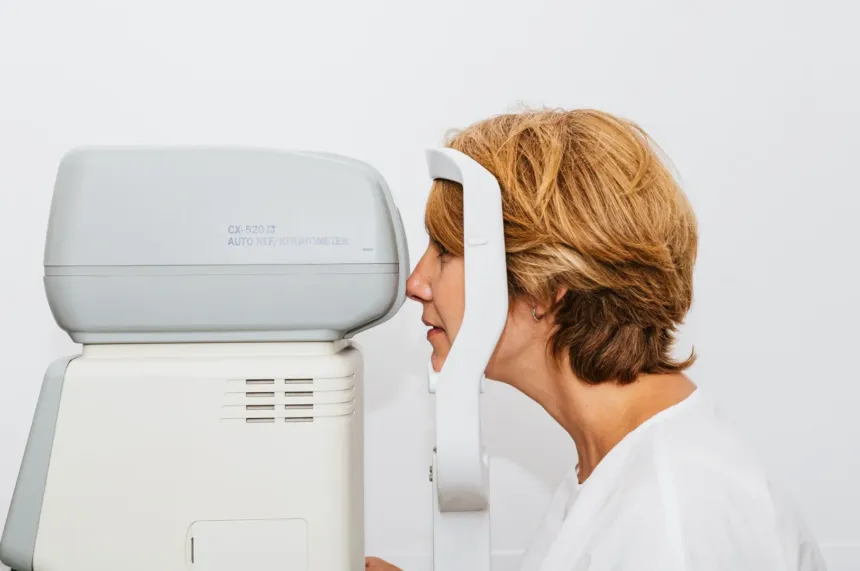
Here’s something that catches many people off guard: diabetes can quietly damage your eyes for years before you notice a single symptom. Your vision can feel perfectly normal while tiny blood vessels in the retina are already leaking or closing off. By the time blurriness arrives, treatment is often harder.
That’s why a reliable diabetes eye exam schedule is one of the most protective habits you can build. It isn’t about worrying more. It’s about catching problems at the stage when they’re easiest to treat.
Why Diabetes and Eyes Are Linked
High blood sugar over time can injure the delicate blood vessels that feed the retina, the light-sensing tissue at the back of your eye. This condition is called diabetic retinopathy, and it’s a leading cause of vision loss in working-age adults. The National Eye Institute’s overview of diabetic retinopathy explains how it develops and why early stages are often silent.
Diabetes also raises the risk of cataracts, glaucoma, and diabetic macular edema, which is swelling in the part of the retina responsible for sharp central vision. Many of these are treatable, but only if someone finds them. The CDC’s page on diabetes and vision loss is a helpful plain-language summary.
The Diabetes Eye Exam Schedule, Step by Step

Guidelines from groups like the American Diabetes Association give a general framework. Your own eye doctor may adjust it, but this is the usual starting point.
If you have type 1 diabetes: Get your first dilated eye exam within about five years of diagnosis. For children, the exam typically starts around puberty or age 11, once diabetes has been present for a few years.
If you have type 2 diabetes: Get a dilated exam soon after diagnosis. Type 2 often goes undetected for a while, so some people already have eye changes by the time they’re diagnosed.
After that first exam:
- If your eyes are healthy and your blood sugar has been well managed, exams every one to two years are often enough.
- If any retinopathy is found, expect at least yearly exams.
- If the retinopathy is progressing or threatens vision, you may be seen every few months.
If you’re pregnant and already have diabetes: The diabetes eye exam schedule tightens. Pregnancy can speed up retinopathy, so experts generally recommend an exam before conception or in the first trimester, followed by checks through pregnancy and for a year after delivery. Gestational diabetes on its own doesn’t carry the same retinopathy risk, but ask your provider.
Treat these as starting points. The right diabetes eye exam schedule for you depends on your eye findings, your blood sugar history, and your blood pressure.
What a Diabetic Eye Exam Actually Involves
Many people put this off because they’re unsure what happens. It’s more routine than it sounds:
- Vision and pressure checks. Reading a chart and a quick eye pressure test.
- Dilating drops. These widen your pupils so the doctor can see the whole retina. They sting briefly and leave your eyes light-sensitive for a few hours.
- Retinal examination or imaging. Some clinics take detailed photographs or use scans that show swelling and vessel changes.
Bring sunglasses and arrange a ride if you can, since your close-up vision may be blurry afterward. A basic vision check at a school, workplace, or glasses shop is not the same thing. It won’t detect retinopathy, so make sure your exam includes a dilated or retinal imaging component. The American Academy of Ophthalmology’s guide to diabetic retinopathy describes what doctors look for.
Symptoms That Shouldn’t Wait for Your Next Visit

Sticking to your diabetes eye exam schedule is essential, but call sooner if you notice:
- Sudden blurry or hazy vision, or vision that fluctuates
- New floaters, dark spots, or strings drifting across your sight
- A shadow or curtain over part of your vision
- Sudden vision loss in one or both eyes
- Trouble seeing at night
Sudden loss of vision or a curtain-like shadow needs same-day emergency care.
What Helps Protect Your Eyes Between Visits
Exams find problems. Daily habits help prevent them.
- Aim for steady blood sugar. Work with your care team on targets that suit you, since large swings and long stretches of high glucose are hardest on small vessels.
- Keep blood pressure and cholesterol in check. Both affect eye blood vessels.
- Don’t smoke. It adds to vascular damage.
- Tell your eye doctor you have diabetes and share your most recent A1C if you know it.
- Keep your records. Note the date and results of each exam so you don’t lose track of when the next one is due.
The American Diabetes Association’s eye health resources and the NIDDK’s guide to diabetic eye disease offer further reading on prevention.
“But My Vision Is Fine”
This is the most common reason people skip exams, and it’s understandable. But early retinopathy typically causes no symptoms, and clear vision doesn’t mean healthy retinas. Treatments such as laser therapy and injections work best when started before major damage occurs. They can often preserve the vision you have, but they usually can’t restore what’s already lost.
If you’ve fallen behind on your diabetes eye exam schedule, don’t feel guilty. Just book the appointment now. Eye doctors see this all the time, and no one will lecture you.
Eye doctors Summry
If you live with diabetes, a regular dilated eye exam is as important as your blood sugar checks and your other routine appointments. Get a baseline exam at diagnosis or on the timeline for your diabetes type, follow your doctor’s recommended interval, and don’t wait for symptoms to show up. The most useful step you can take today is to look up when your last exam was, and if you can’t remember, schedule one.
This article is for general information and isn’t a substitute for professional medical advice. Your eye care provider and diabetes care team can recommend the schedule that fits your situation.