

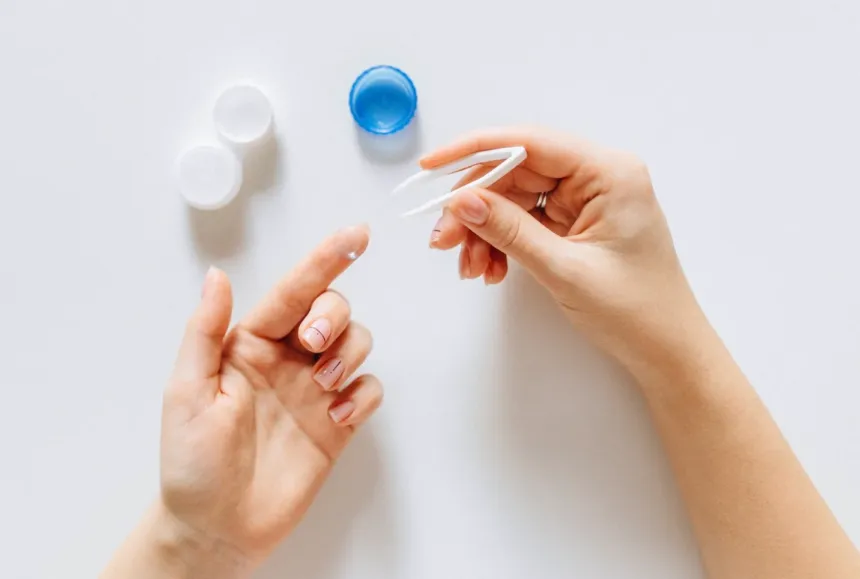
Maybe you’re tired of fogged-up lenses every time you step into a warm room. Maybe your frames slide down during workouts, or you just want to see your own face at the gym mirror. Whatever the nudge, the question is a fair one: should I switch from glasses to a contact lens prescription?
The honest answer is that it depends on your eyes, your habits, and how much daily care you’re willing to give a tiny piece of plastic sitting on your cornea. Here’s how to think it through.
Glasses and Contacts Aren’t the Same Prescription
This surprises many people: your glasses prescription can’t simply be copied into a contact lens prescription. Glasses sit about 12 millimeters in front of your eyes. Contacts sit directly on them. That difference changes the power you need, especially if your prescription is strong.
A contact lens prescription also includes measurements your glasses don’t need, such as base curve and diameter, which describe how the lens fits the shape of your eye. That means a separate fitting exam, not just a quick look at your old glasses script. The American Optometric Association’s contact lens overview walks through what a fitting involves.
When Contacts Tend to Work Well
Many people do beautifully with contacts. They often suit you if:
- You play sports or move a lot. Contacts don’t slip, fog, or get knocked off.
- You have a big prescription difference between your eyes. Contacts can reduce the image-size mismatch that glasses sometimes cause.
- You dislike how frames look or feel. Appearance is a legitimate reason, and so is comfort.
- You want unobstructed side vision. There’s no frame edge in your peripheral view.
If a few of these sound like you, a contact lens prescription is worth exploring.
When Glasses May Be the Better Choice
Contacts aren’t a universal upgrade. Glasses may be wiser if:
- You have chronic dry eyes. Lenses can make dryness worse, though some designs help.
- You’re forgetful about hygiene. Contacts demand consistent habits. Sleeping in them, topping off old solution, or rinsing them in tap water raises infection risk. The CDC’s guidance on healthy contact lens wearing is blunt about this.
- Your eyes react to lens materials or you have frequent allergic flare-ups.
- You spend long stretches in dusty or dry air.
Many people land on a hybrid: contacts for sports, events, and travel, glasses for evenings and mornings. Giving your eyes that breathing time is smart, not a failure.
What Contacts Actually Cost You
Be realistic about the budget. A contact lens prescription involves an exam fee, a fitting fee, the lenses themselves, and solution if you don’t use daily disposables. Yearly costs often exceed glasses, though glasses have their own cost when you replace frames and lenses. Daily disposables are the cleanest option for many wearers, but they cost more per year.
Whatever you buy, you’re entitled to a copy of your prescription once the fitting is complete, so you can compare prices. The FDA’s page on contact lenses also stresses that lenses are regulated medical devices, which is why you need a valid prescription for them, even for cosmetic or colored lenses.
What to Expect at Your Fitting
If you decide to try, here’s the usual path:
- A full eye exam. Your provider checks your eye health, tear film, and corneal shape.
- Measurements and lens selection. Your provider picks a type that fits your lifestyle, whether daily, monthly, soft, or toric for astigmatism.
- Trial lenses. You’ll often leave with samples to test for a week or two.
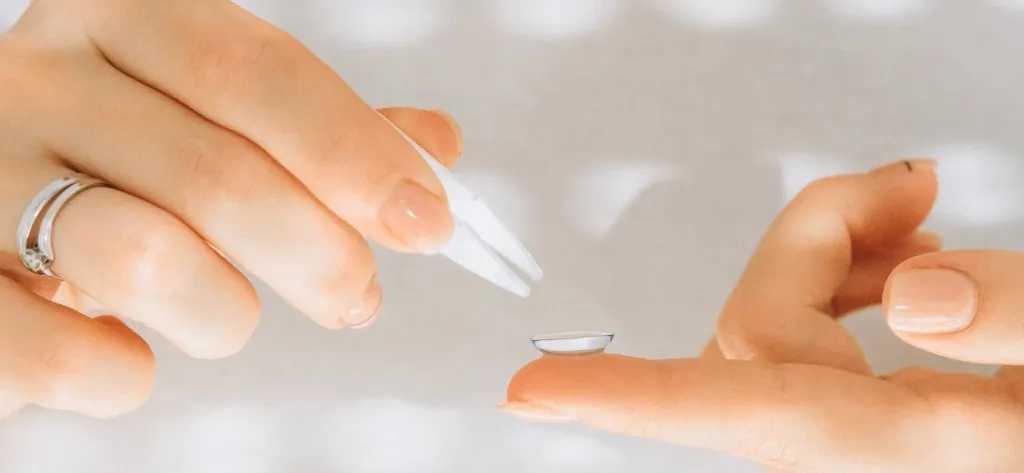
- Training. You’ll learn insertion, removal, and cleaning. Most people get the hang of it within a few tries, so don’t panic if your first attempt is clumsy.
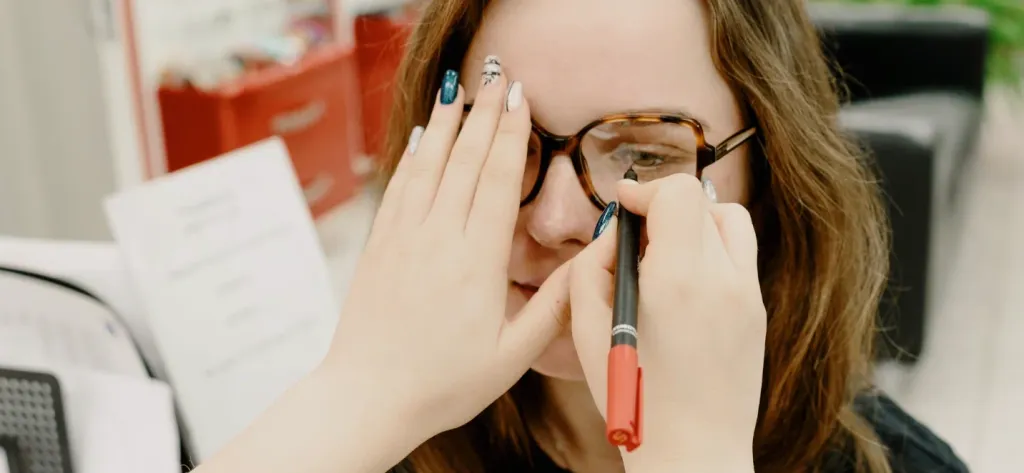
- A follow-up visit. This checks the fit and comfort before your contact lens prescription is finalized.
Mention if you have astigmatism, presbyopia (the age-related need for reading help), or a hobby that exposes your eyes to water or dust. Modern contacts can handle most of these, including multifocal designs. The American Academy of Ophthalmology’s contact lens guide outlines the main lens types.
Habits That Protect Your Eyes
Once you have a contact lens prescription, a few rules matter more than any brand choice:
- Wash and dry your hands before touching your lenses.
- Never sleep in lenses unless they’re specifically approved for it and your provider agrees.
- Keep lenses away from water, including showers, pools, and tap water.
- Replace lenses and cases on schedule. Overwearing is a common cause of trouble.
- Take them out right away if your eye turns red, hurts, or blurs, and call your provider.
A red, painful eye with light sensitivity in a contact lens wearer needs prompt attention, not a wait-and-see approach.
A Quick Gut Check
Ask yourself three things. Do glasses genuinely frustrate me, or am I just curious? Can I commit to the daily routine? Am I okay with wearing glasses some of the time anyway? If the answers lean yes, book a fitting and try them. Trials cost little compared with years of wondering.
If your vision is still changing, as it often does in teens and young adults, your provider may advise waiting for a stable prescription first. That’s also worth knowing before you invest. The National Eye Institute’s explanation of refractive errors explains how these changes happen.
Our Doctor Summar
So, should you switch? If you want freedom from frames and you’re ready for the routine, a contact lens prescription can be a real quality-of-life upgrade. If your eyes run dry or you’d rather keep things simple, glasses remain a perfectly good choice, and combining both is common.
The best next step is a conversation with your eye care provider. Tell them how you live, not just how you see, and let them match the lenses to your life.
This article is for general information and isn’t a substitute for professional medical advice. Talk with a licensed eye care professional about your specific needs.